


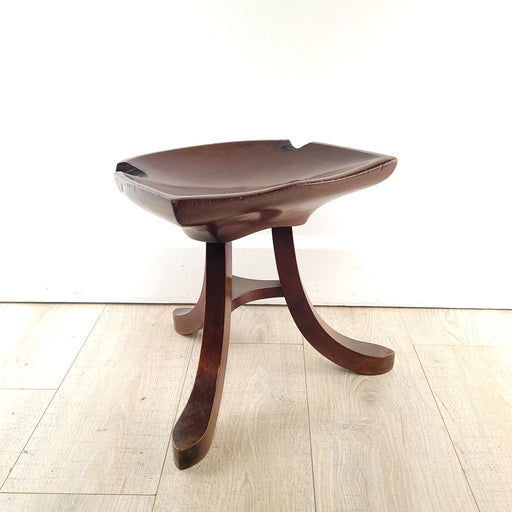
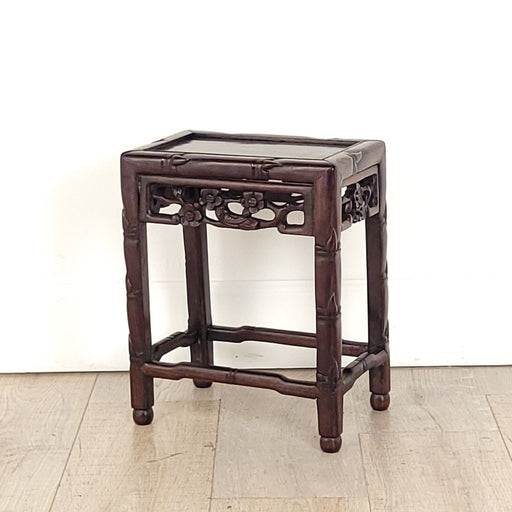

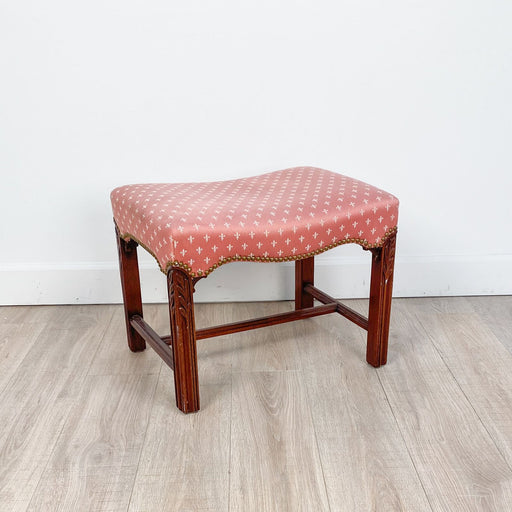
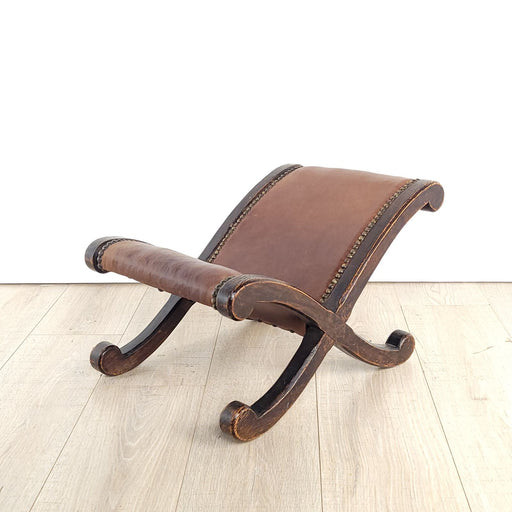


Antique stools are some of the most adaptable pieces of historic seating, offering mobility, compact footprints and character in equal measure. Originally used in workshops, taverns, farmhouses and early kitchens, stools were designed to be practical—easy to move, simple to store and strong enough to handle daily use. Today, those same qualities make antique stools ideal for contemporary homes that value flexibility and layered design.
In modern interiors, stools transition effortlessly between roles. They can pull up to a kitchen island, slide beneath a console, act as occasional seating in the living room or stand in as small side tables. Their modest height means they rarely interrupt sightlines, making them especially useful in open-plan layouts and smaller apartments. Many clients pair antique stools with elements from our dining room & kitchen and tables collections to create coherent, multifunctional spaces.
Because stools expose more of their structure than fully upholstered chairs, they reveal the craftsmanship behind their construction. Turned legs, pegged joints, forged-iron bases and hand-shaped seats all speak to the maker’s hand. Patina from decades of use—softened edges, worn paint, polished surfaces—adds depth and authenticity that new stools cannot replicate.
Types of Antique Stools
Within this category, you will find a wide range of designs. Backless wood stools with round or rectangular seats are classics, often associated with farmhouse kitchens and workshops. Their straightforward forms make them easy to tuck under counters or tables. Tripod stools introduce a sculptural note and exceptional stability, working well as both seating and display stands for plants or objects.
Upholstered piano and vanity stools offer a more refined look, pairing turned legs or carved bases with cushioned tops. These are ideal for dressing tables, bedroom corners or as flexible perches in living rooms. Industrial and metal stools—sometimes adjustable in height—bring a more graphic, utilitarian aesthetic that pairs naturally with pieces from our industrial collection.
There are also regional variations: milking stools with thick, splayed legs; low stools used around hearths; and taller bar-style designs introduced later. Each type carries distinct proportions and details, giving you options whether your interior leans rustic, traditional, coastal or modern.
Decorating With Antique Stools
When decorating with antique stools, consider them as both functional seating and design accents. In the kitchen, a row of mismatched stools unified by material or color can create a relaxed, collected look around an island or counter. In living rooms, stools work well beside armchairs or sofas as movable surfaces for books, trays or drinks. Pairing them with pieces from our living room collection allows you to build layered seating arrangements that adapt to changing needs.
Stools are especially useful in small spaces where every piece must earn its keep. A sturdy stool can serve as a nightstand, plant stand and extra seat, depending on the moment. Combining vintage stools with items from our small-space furniture selection helps maximize functionality without sacrificing character.
Surfaces and finishes are another consideration. Painted stools provide opportunities for subtle color moments, while natural wood pieces add warmth and texture. Iron or metal stools introduce a cooler, industrial edge. Some collectors prefer to preserve worn paint, while others opt for light restoration that stabilizes the finish while retaining history.
As a key subcategory within our broader Seating collection, Antique Stools sit alongside benches, side chairs and armchairs from many periods. Exploring the full Seating range offers a wider context for understanding how these compact pieces relate to other historic forms and helps you discover stools that complement your existing chairs and sofas within a cohesive interior scheme.