
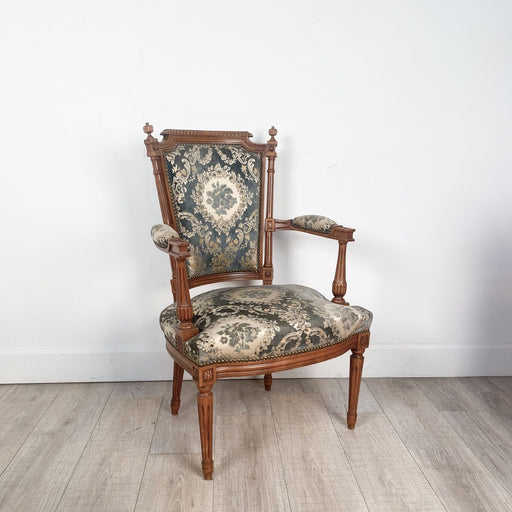
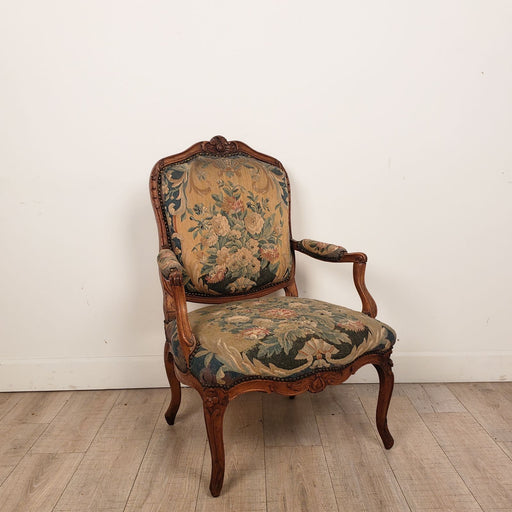
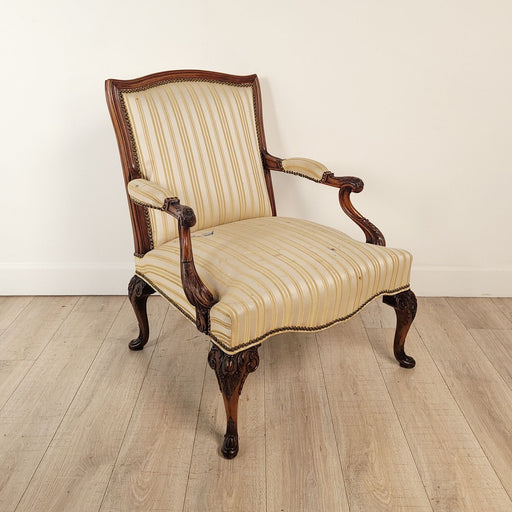
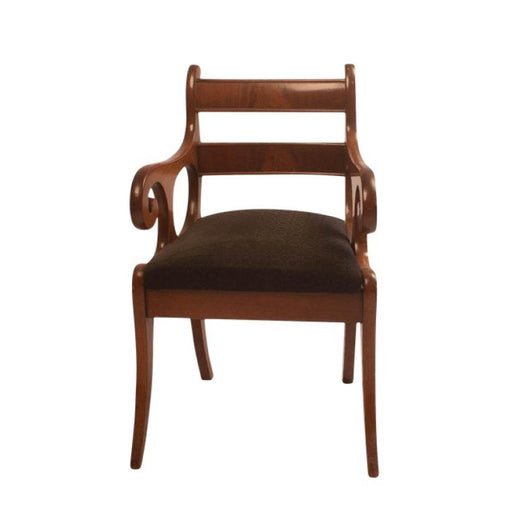




Antique French chairs represent some of the most iconic and influential designs in European furniture history. Their distinctive curves, sculpted frames, and luxurious upholstery have shaped interiors for centuries, from aristocratic salons to modern living spaces. These chairs were originally crafted not only for comfort but also as expressions of artistic and social identity. Today, they remain highly sought after for their elegance and versatility, serving as focal points in both classic and contemporary homes.
French chairs are known for their ability to enhance a room with minimal effort. A single fauteuil or bergère can transform a corner into a sophisticated sitting area, while a set of Louis XVI dining chairs brings structure and formality to the dining room. These chairs integrate effortlessly into modern settings as well, offering contrast to minimalist lines and adding depth through their ornamentation. To build a cohesive interior, many designers pair French chairs with pieces from our seating or living room collections.
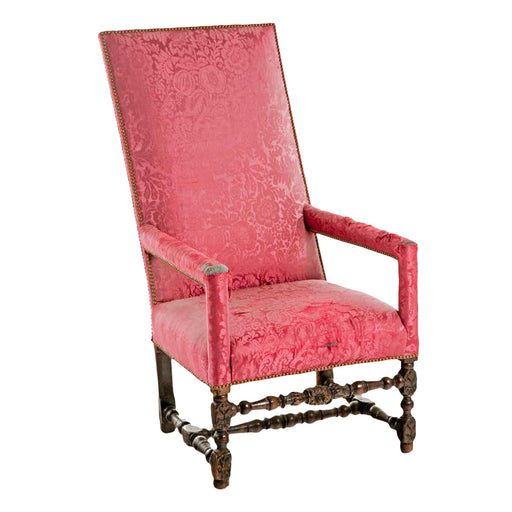
The construction methods used in antique French chairs reflect centuries of woodworking expertise. Artisans employed mortise-and-tenon joinery, hand carving, and carefully chosen hardwoods such as walnut or beech. Upholstery often included horsehair stuffing, coil springs, and rich textiles such as damask or tapestry. These traditional techniques contribute to the chairs’ durability and timeless appeal, distinguishing them from modern mass-produced alternatives.
Types of Antique French Chairs
French design spans several major periods, each defined by stylistic characteristics and historical context.
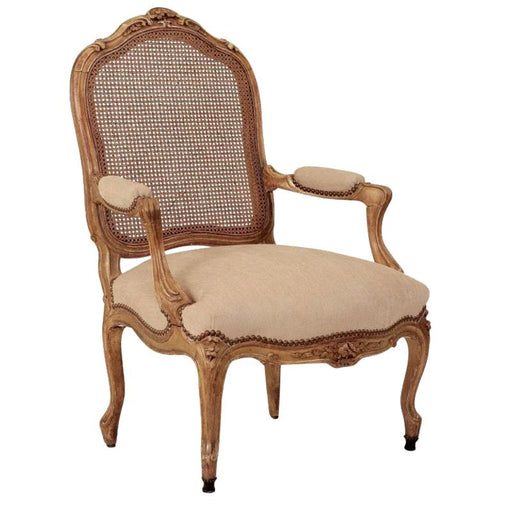
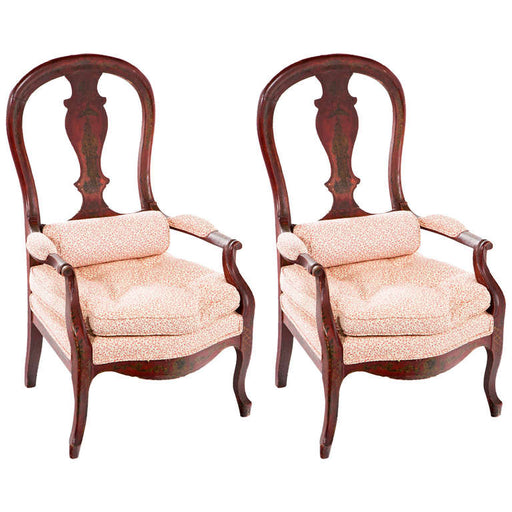
Louis XV chairs are known for their curving cabriole legs, floral carvings, and emphasis on comfort. Bergères and fauteuils from this period remain especially desirable for reading corners and lounges.
Louis XVI chairs represent a shift toward neoclassicism. Straight lines, tapered legs, and refined geometry define this era, making these chairs suitable for symmetrical and orderly interiors.
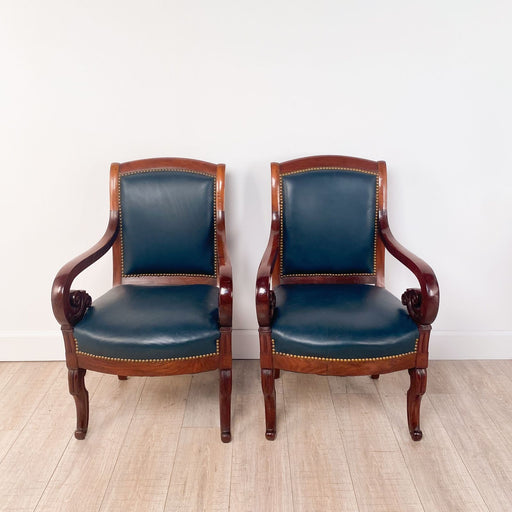
Directoire and Empire styles maintain neoclassical influences but incorporate bolder shapes, subtle ornamentation, and a more structured aesthetic.
Many of these French styles pair beautifully with decorative accents such as gilded frames or period lighting, available in our mirrors and lighting categories.
Material variations also distinguish French chairs. Cane backs and seats create visual lightness and offer breathability, making them ideal for warmer climates or casual settings. Fully upholstered chairs add softness, while carved wood frames highlight the sculptural artistry typical of French craftsmanship. These materials contribute to the distinct ambiance each chair brings to a room.
Choosing the Perfect Antique French Chair
Choosing an antique French chair requires consideration of both style and placement. For reading rooms or personal retreats, bergères with deep seats and padded arms offer unmatched comfort. In dining settings, Louis XVI chairs introduce structure and elegance, supporting formal or semi-formal environments. For entryways or dressing areas, a single fauteuil can provide a decorative yet functional accent.
Upholstery choices also influence the chair’s character. Neutral fabrics blend seamlessly with contemporary décor, while patterned textiles emphasize historical continuity. Reupholstering allows for personalization, whether maintaining period authenticity or introducing updated fabrics. For guidance on additional period-inspired furniture, browse our tables collection.
French chairs function beautifully within a range of design schemes. They soften modern interiors, enrich eclectic rooms, and reinforce classical themes. Their ability to stand alone or integrate into larger ensembles makes them invaluable to designers and collectors. With proper care—protecting wood surfaces from dryness and avoiding harsh cleaners—French chairs remain functional centerpieces for many decades.
For additional context and to explore related historic seating forms, our broader seating collection offers complementary chairs and accent pieces that help situate French designs within a wider spectrum of antique craftsmanship and interior applications.