
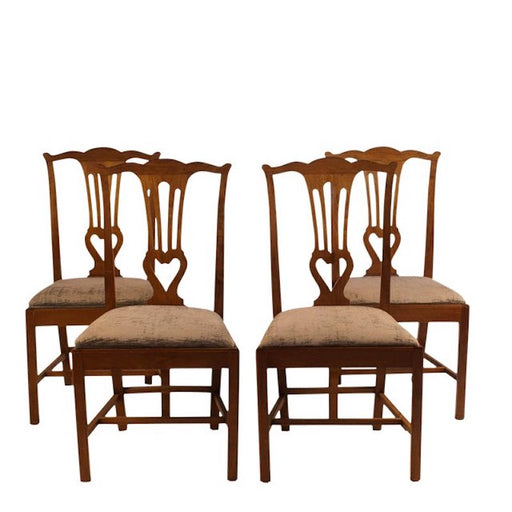
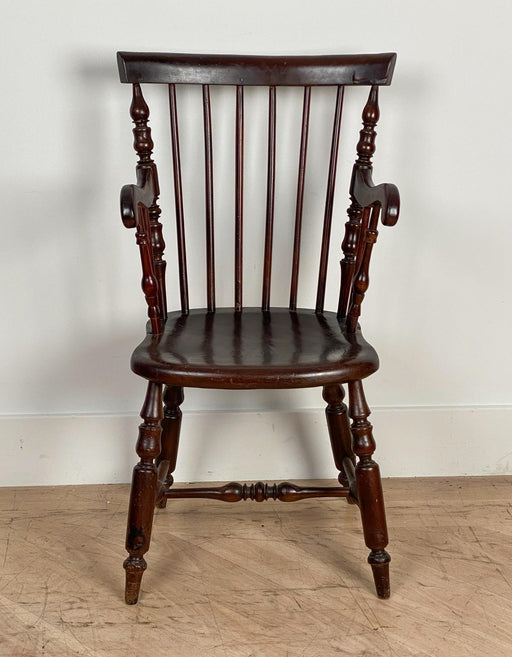
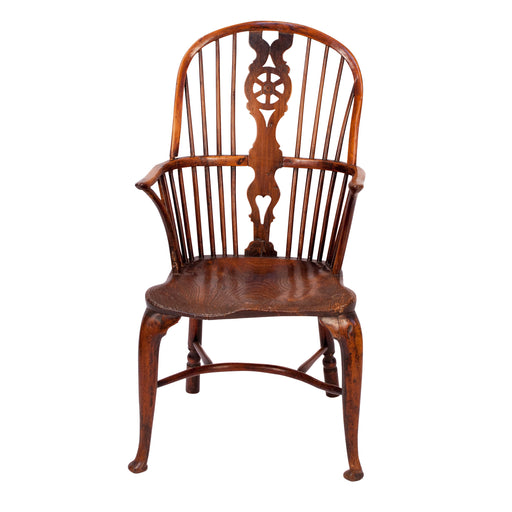

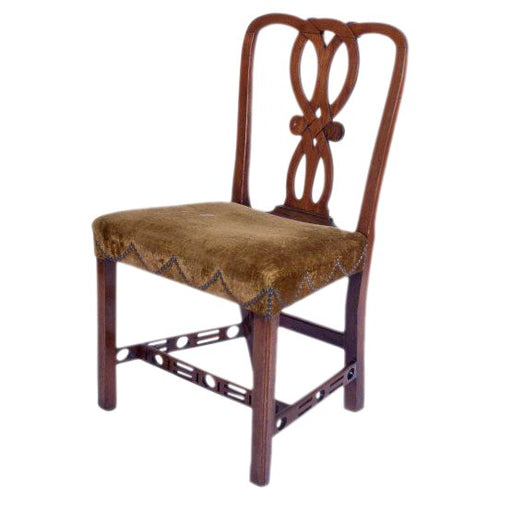
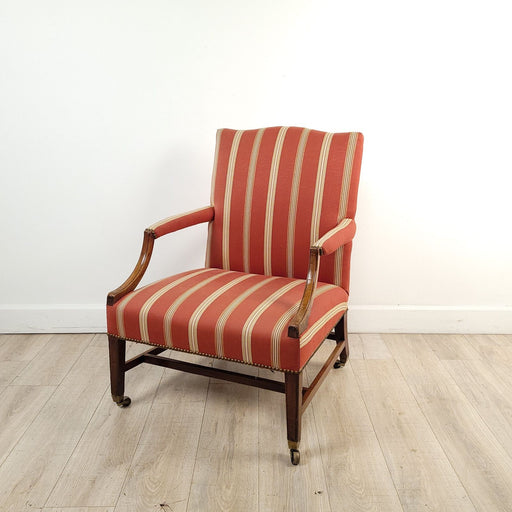


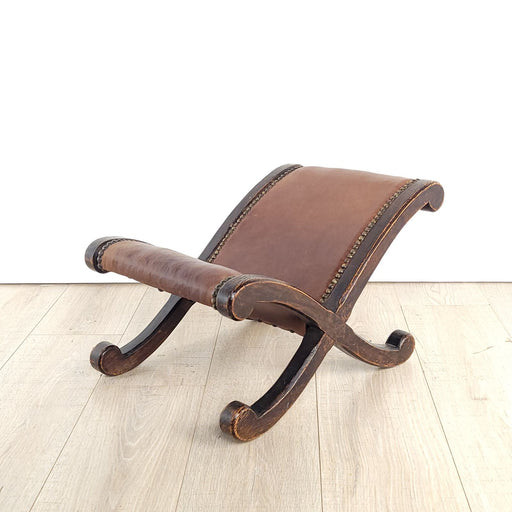


Antique English chairs exemplify centuries of woodworking tradition, combining durable construction with balanced proportions and understated elegance. These chairs were designed for everyday use within homes, clubs, and libraries, reflecting England’s long-standing emphasis on practicality and refinement. Their restrained ornamentation and sturdy hardwood frames make them exceptionally versatile, integrating well into both traditional and modern interiors.
English chairs inherently bring order and structure to a room. Their strong silhouettes and defined lines anchor spaces such as dining rooms, studies, and home offices. In more casual environments, they provide a grounding effect that complements softer furnishings. Many clients appreciate their reliability—not only aesthetically but functionally. To complete a cohesive interior, our furniture and lighting collections offer pieces that harmonize beautifully with English chairs.
The craftsmanship behind antique English chairs has contributed to their enduring presence in design history. Traditional joinery techniques, such as mortise-and-tenon construction, ensured long-lasting structural stability. English woodworkers favored mahogany, walnut, and oak, materials prized for their strength and rich grain. These elements create chairs that maintain their integrity even after decades or centuries of use, making them reliable additions to contemporary households.
Types of Antique English Chairs
English chair design spans several historic periods, each marked by distinctive features:
Georgian chairs prioritize symmetry, clean lines, and subtle carving. Their restrained aesthetic suits a wide range of interiors.
Regency chairs incorporate neoclassical influences, offering refinement through reeded legs, curved backs, and elegant silhouettes.
Victorian chairs introduce richer ornamentation, deeper seating, and increased comfort. These pieces often incorporate upholstery or decorative carving.
Many of these styles pair seamlessly with wooden accents and complementary surfaces found in our tables collection, allowing for cohesive period-inspired decorating.
Variations in seating types also distinguish English chairs. Ladder-back and Windsor chairs reflect rural craftsmanship and bring a sense of warmth to casual spaces. Upholstered chairs provide comfort and refinement, particularly in formal settings. Carved armchairs with taller backs suit libraries or offices, contributing formality and authority.
Choosing the Perfect Antique English Chair
Selecting an English chair begins with identifying the room’s functional needs. For dining rooms, Georgian or Regency chairs offer structure and beauty without overwhelming the table. For studies or workspaces, upholstered Victorian armchairs or solid mahogany side chairs deliver sophistication and comfort. Scale is important; chairs should complement surrounding furniture without dominating the layout.
Upholstery plays a significant role in determining the chair’s tone. Neutral fabrics preserve traditional character, while patterned textiles introduce personality. Reupholstery provides an opportunity to refresh a piece while maintaining its historical frame. For homes seeking a fully integrated aesthetic, consider exploring our home office collection, where desks and storage pieces align with English design principles.
English chairs also serve as excellent investment pieces. Their craftsmanship ensures longevity, while their timeless style keeps them relevant across changing design trends. Proper maintenance includes dusting wooden surfaces, conditioning finishes periodically, and using professional cleaners for upholstery. When cared for thoughtfully, these chairs retain both functional and decorative value for generations.
For those looking to explore how English chairs fit within a broader spectrum of historic seating traditions, our wider seatingcollection offers complementary categories and designs that help contextualize their craftsmanship, functionality, and role in period-inspired interiors.