


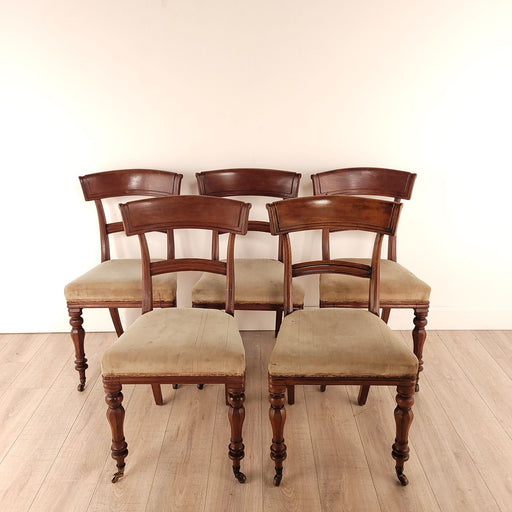
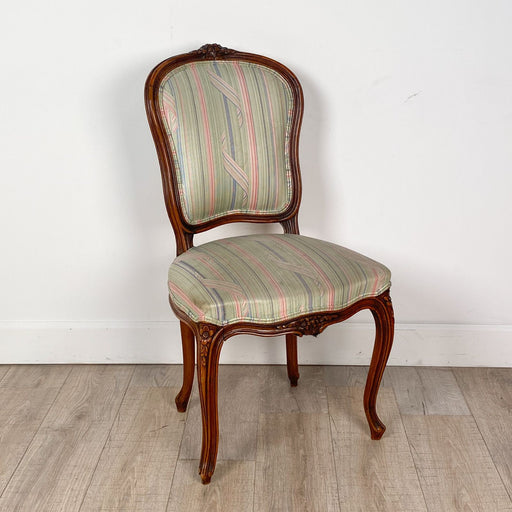
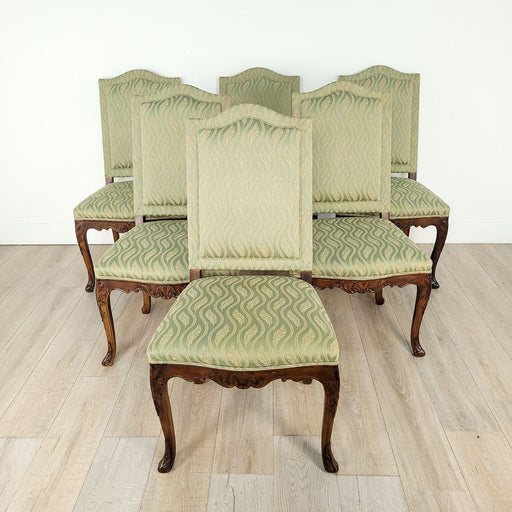
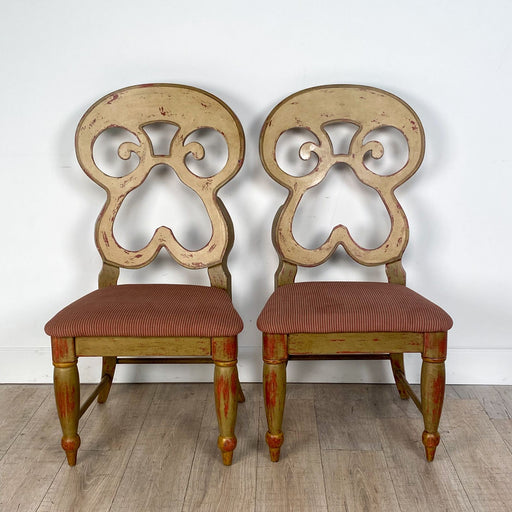
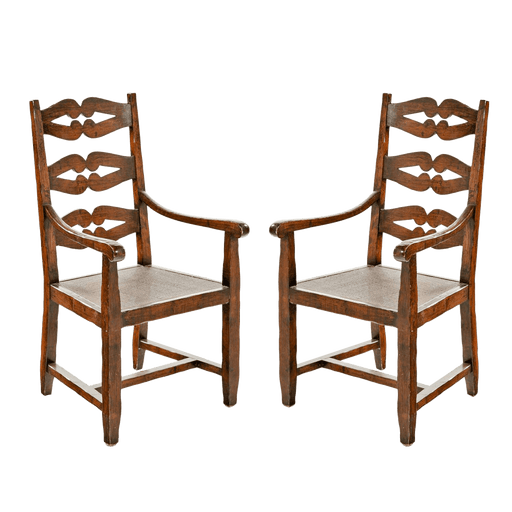
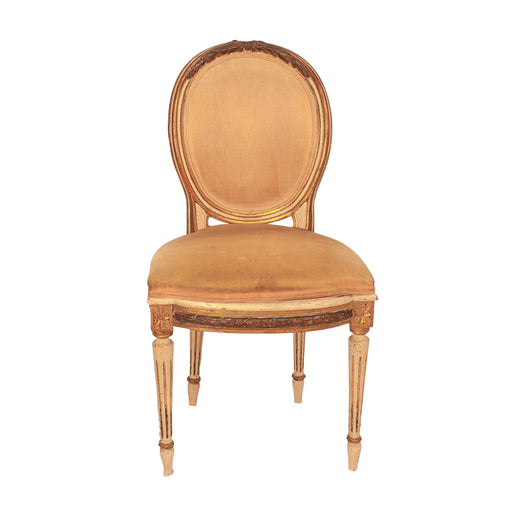
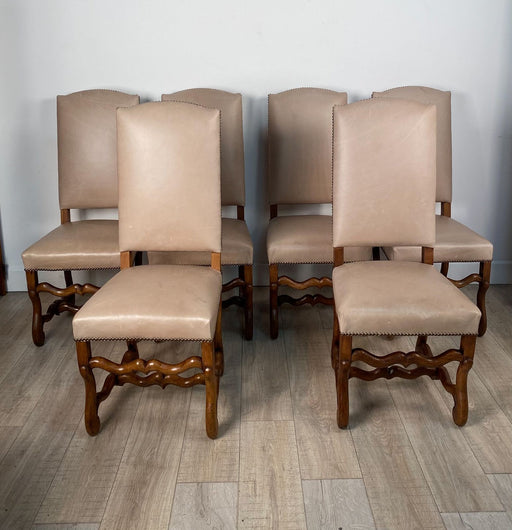
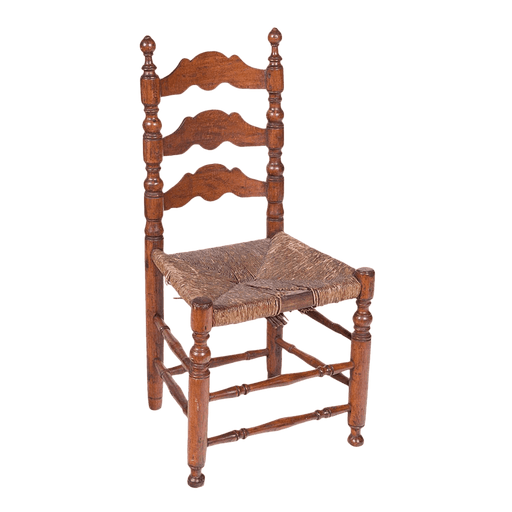
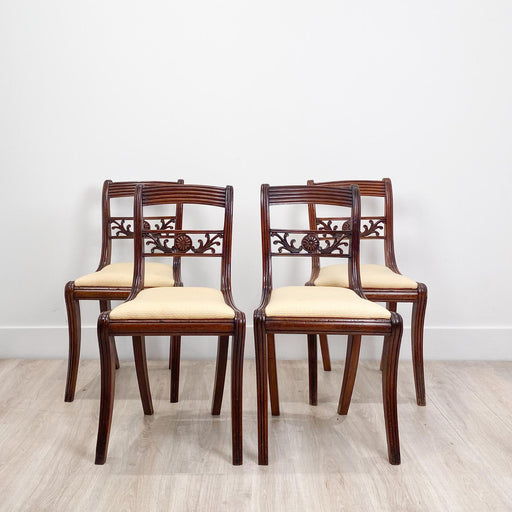
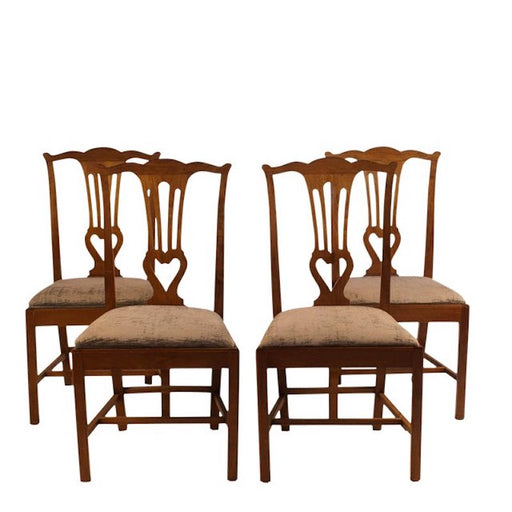
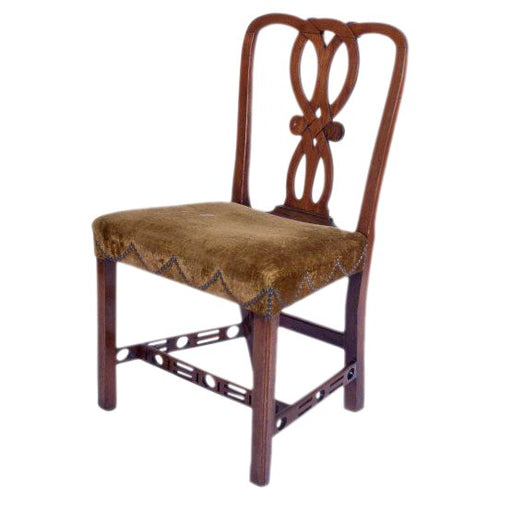
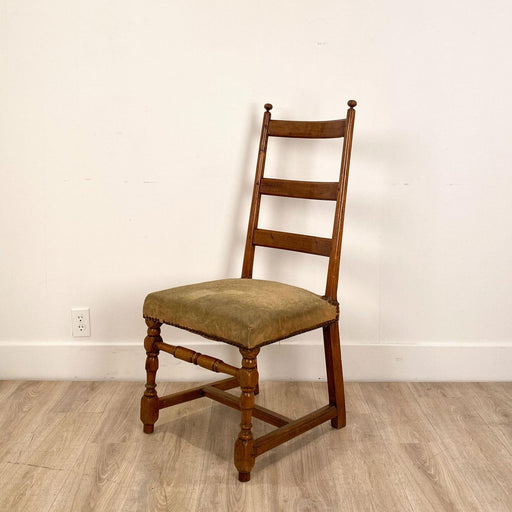
Antique dining chairs hold a special place in the evolution of household furniture, blending function with artistry across centuries. These chairs were crafted to support long meals, conversations, and communal gatherings, often serving as the focal point of traditional dining rooms. Each piece in our collection is selected for its structural integrity, balanced proportions, and historical authenticity. The craftsmanship of antique dining chairs reflects the work of skilled artisans who specialized in joinery, carving, and upholstery—techniques that modern production rarely replicates with the same attention to detail.
In today’s homes, antique dining chairs serve multiple roles. They bring warmth and gravitas to formal dining rooms, but they can also elevate casual kitchen settings with a touch of refinement. Their versatility makes them ideal for transitional interiors that combine modern elements with historical features. Many clients pair these chairs with contemporary or rustic dining tables, creating a striking contrast that adds depth to the room. For complementary pieces, our dining room & kitchen collection offers tables, sideboards, and decorative accents that complete the environment.
The enduring value of antique dining chairs lies in their materials and construction. Historically, chairs were made from robust hardwoods—mahogany, walnut, oak, or beech—selected for their strength and longevity. Seat frames often incorporated hand-carved details, and upholstery was secured with tacks or webbing designed to endure years of use. These traditional building methods stand in stark contrast to modern mass-produced dining furniture, which typically prioritizes speed over craftsmanship. Restored correctly, antique dining chairs can remain functional for generations.
Types of Antique Dining Chairs
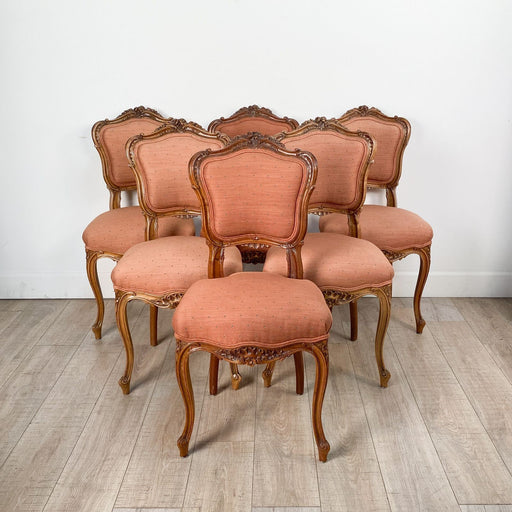
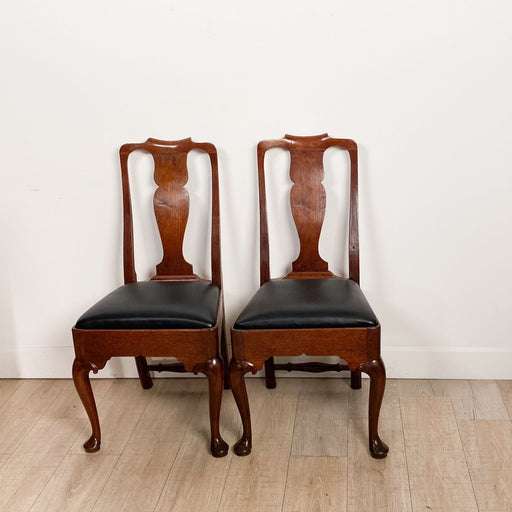
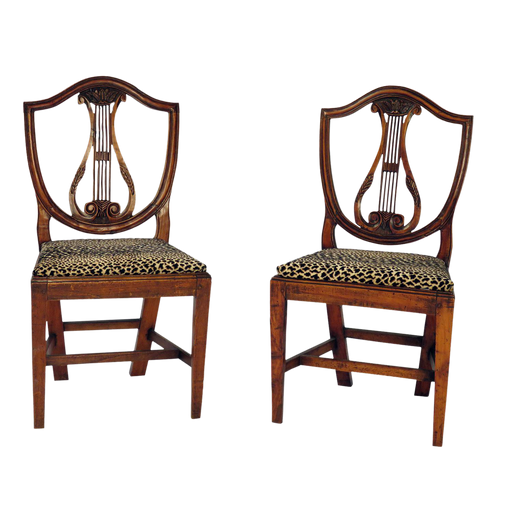
The diversity of antique dining chairs reflects regional preferences and stylistic evolution. French dining chairs, for example, are known for their graceful curves, cabriole legs, and carved ornamentation. Louis XV and Louis XVI styles are especially popular in homes that embrace elegance and symmetry. English dining chairs, on the other hand, offer a more restrained aesthetic. Georgian and Regency examples feature clean lines and subtle carving, while Victorian models introduce decorative flourishes and deeper seating.
Italian dining chairs emphasize sculptural artistry, integrating dynamic carving and striking silhouettes. These chairs often employ walnut or fruitwood, allowing artisans to create detailed motifs inspired by Renaissance and Baroque traditions. Many of these European designs pair beautifully with decorative pieces from our art or with tableware found in our tableware collection, helping build cohesive and expressive dining environments.
Materials and seating types vary across regions as well. Caned seats provide breathability and lightness, making them especially appealing in warm climates or casual dining rooms. Upholstered chairs offer comfort and a tailored look, while leather seats lend durability and a more masculine aesthetic. Ladder-back and spindle-back chairs reflect country and farmhouse traditions, bringing warmth and simplicity into rustic or informal spaces.
Choosing the Perfect Antique Dining Chair
Selecting antique dining chairs involves balancing aesthetics with practical considerations. The style of the chair should complement or thoughtfully contrast with the dining table. For example, ornate French chairs pair well with sleek, modern tables for visual impact, while simple English designs integrate easily with traditional wooden tables. Homeowners should also consider scale—chairs should fit comfortably beneath the table without overwhelming the space.
Comfort is another essential factor. Chairs intended for long dinner gatherings benefit from supportive seats and ergonomic backrests. Upholstery can significantly affect the chair’s feel, whether you prefer the softness of linen, the luxury of velvet, or the practicality of leather. In some cases, reupholstering can refresh a chair’s appearance while preserving the original frame. For smaller spaces or multifunctional rooms, consider pairing your selection with pieces from our small-space furniture collection.
Antique dining chairs also offer long-term investment value. Their historical craftsmanship ensures durability, and well-preserved pieces often appreciate over time, especially those linked to notable design periods. Proper care—gentle dusting, occasional wood conditioning, and periodic upholstery cleaning—helps maintain their original character. When chosen thoughtfully, antique dining chairs enhance not only the dining room but also the overall home’s atmosphere.
For those looking to explore related historic seating forms beyond the dining room, our wider seating collection offers additional chairs, accent seats, and complementary styles that provide context and continuity within the broader world of antique furniture.