


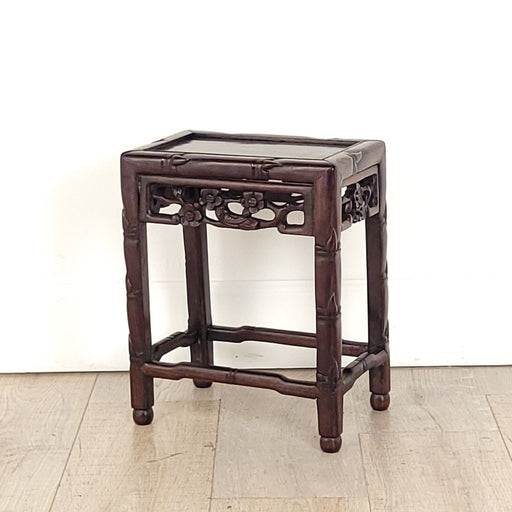

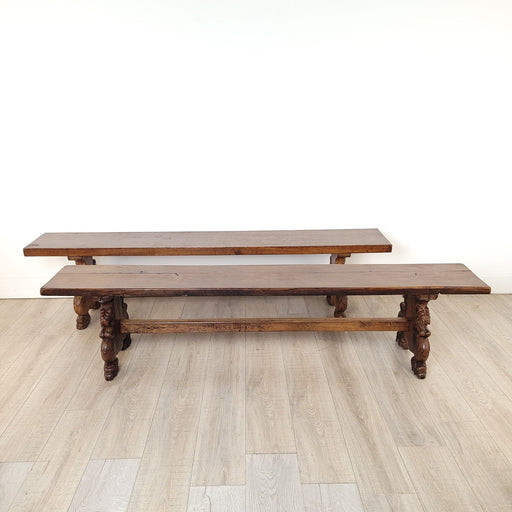
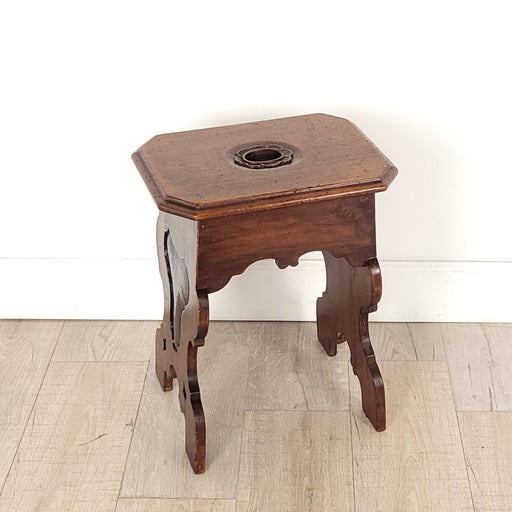
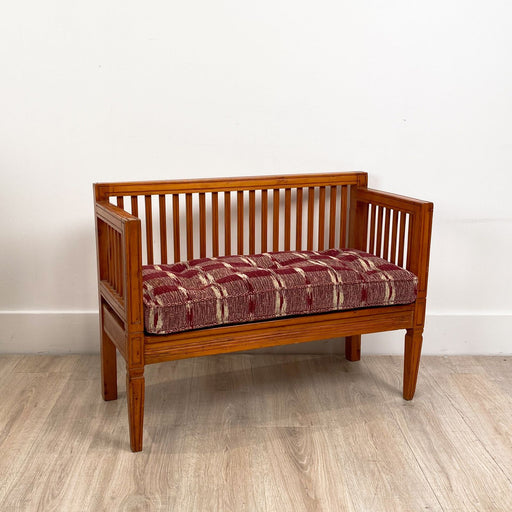
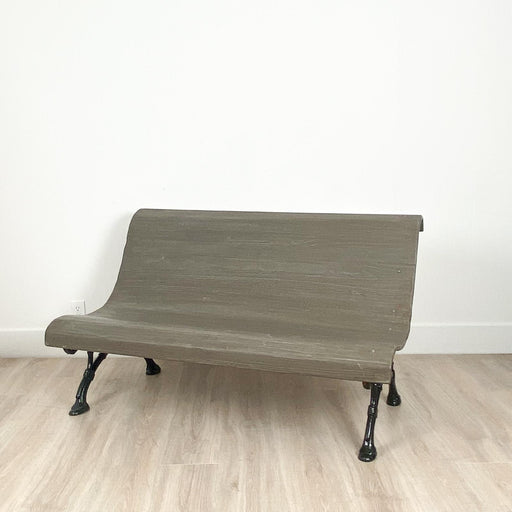
Antique benches are some of the most adaptable forms of historic seating, offering both function and visual impact across a wide range of rooms. Originally used in halls, churches, taverns and farmhouses, benches were designed to accommodate multiple people and withstand heavy use. Our Antique Benches collection highlights this durability while celebrating the unique patina, joinery and character that each piece has acquired over time.
In modern interiors, benches provide flexible solutions where chairs might feel too formal or numerous. They can slide beneath dining tables, flank hallways, define mudrooms or sit at the foot of a bed. Their elongated form naturally anchors a space, making them ideal for entry sequences and gathering areas. Many clients combine benches with accent pieces from our large furniture and living room collections to build layered, welcoming environments.
The materials and construction techniques found in antique benches vary widely. Solid plank tops, turned legs, trestle bases and boxed forms all appear, often in oak, pine, walnut or fruitwoods. Some benches incorporate storage with lift-up seats or drawers, while others focus purely on seating. Iron and cast-metal examples, particularly garden and public-space benches, introduce a graphic, sculptural presence.
Types of Antique Benches
Antique benches can be loosely grouped into several categories. Settle benches feature high backs and sometimes side panels, creating a partially enclosed seat that offers shelter near a fireplace or entry door. Farmhouse and tavern benches tend to have straightforward plank construction, prized today for their honest lines and rustic charm. Church and choir benches may include integrated kneelers or book rests, reflecting their liturgical origins.
Upholstered benches and window seats add comfort and softness, making them particularly suited to bedrooms, dressing rooms and formal living areas. These pieces often include hand-tied springs and layered padding that can be refreshed with new textiles. For outdoor and conservatory settings, iron or slatted-wood benches connect naturally with pieces from our outdoor furniture and garden collections.
Because benches occupy a horizontal plane, they pair well with vertical elements such as artwork or mirrors. Hanging a piece from our art collection or a mirror above a bench helps balance the composition and visually anchor the wall.
Decorating With Antique Benches
In dining rooms, benches can replace or supplement chairs along one side of the table, creating an informal, communal atmosphere. This arrangement works particularly well with farmhouse tables and spaces that see frequent family gatherings. In hallways or entry spaces, a narrow bench offers a place to sit while putting on shoes and can be styled with pillows, baskets or throws.
Bedrooms benefit from a bench at the foot of the bed, providing a convenient landing spot for textiles or personal items while visually extending the bed’s footprint. In living rooms, a low bench can double as a coffee table or additional seating during gatherings. When used alongside smaller accent tables from our tables collection, benches help create flexible, multi-purpose seating arrangements.
As a key subcategory within our broader Seating collection, Antique Benches appear alongside chairs, stools and settees from multiple periods. Exploring the complete Seating range offers context for how benches complement other historic forms and helps you identify additional pieces that create continuity throughout your home.