
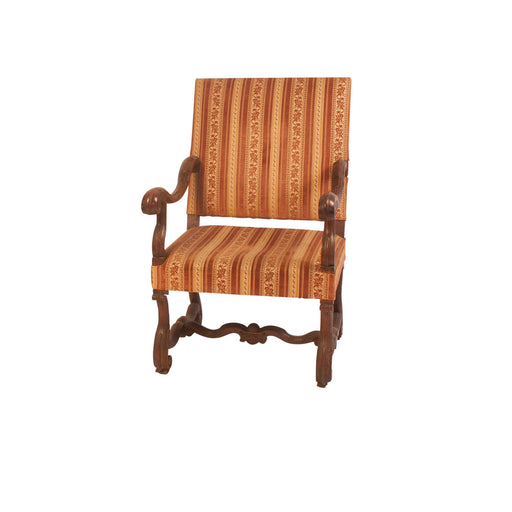
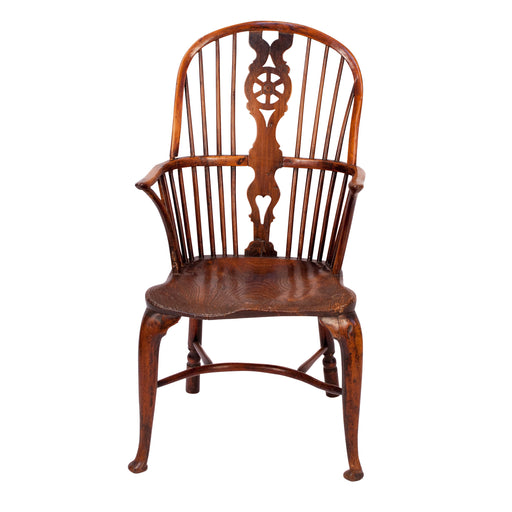
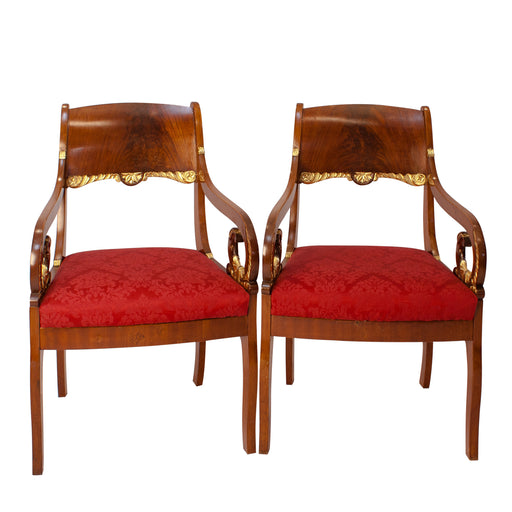
Antique armchairs remain one of the most compelling categories of historic seating, valued for their balance of comfort, craftsmanship, and decorative presence.
These pieces were often designed not simply as functional seating but as statements of refinement within salons, libraries, and formal reception rooms.
Our collection features armchairs sourced across Europe, each chosen for its authenticity, structural integrity, and design merit.
From hand-carved frames to period upholstery, every chair showcases artistic techniques that have shaped interior design traditions for centuries.
Armchairs also serve as transitional pieces that help define the tone of a room. In traditional interiors, they contribute warmth and classic order; in contemporary spaces, they add texture and narrative depth. Many of our clients incorporate antique armchairs as signature accents within living rooms, reading corners, or office environments. For broader decorative inspiration, related categories such as seating and living room offer complementary pieces that integrate seamlessly with these historic designs.
Beyond aesthetics, antique armchairs are appreciated for their structural quality. Most were built using joinery techniques and hardwood species—walnut, oak, beech, or mahogany—that have endured the test of time. These materials, combined with traditional craftsmanship, result in chairs that provide long-term stability, even after generations of use. Upholstered models typically feature horsehair stuffing, coil springs, and linen underlays, all contributing to a level of comfort and resilience not commonly found in contemporary mass-produced seating.
Types of Antique Armchairs
The range of antique armchairs is remarkably diverse, encompassing national traditions and stylistic periods that each offer distinct characteristics. French armchairs, often represented by bergères and fauteuils, are known for their elegant curves, carved floral motifs, and generous upholstery. These designs emphasize comfort and fluidity, making them ideal for living rooms or reading areas. English armchairs, by contrast, express a more formal sensibility. Georgian and Regency examples feature straight lines, restrained carving, and refined proportions, while Victorian models introduce deeper seats and decorative accents suitable for relaxing environments.
Italian armchairs present yet another design vocabulary, one defined by dynamic carving, sculptural silhouettes, and a strong emphasis on artisanal detail. These chairs often serve as focal points due to their expressive ornamentation. Many of these European styles pair naturally with decorative objects from our mirrors and lighting collections, which help highlight the craftsmanship and period character of each piece.
The diversity extends to construction and materials as well. Some armchairs are fully upholstered, offering a soft, cohesive look; others incorporate caned backs or seats, adding lightness and texture. Leather-upholstered models convey sophistication and durability, particularly in studies or offices. In contrast, chairs with carved wood frames emphasize sculptural qualities and historical artistry. Regardless of style, each type contributes a unique aesthetic layer to interior settings.
Choosing the Perfect Antique Armchair
Selecting an antique armchair involves considering both functional needs and stylistic goals. The intended placement within the home often guides the decision. For reading corners or intimate seating areas, spacious bergères or cushioned Victorian models provide substantial comfort. For offices or formal rooms, English Regency or Italian neoclassical armchairs offer structured support and a distinguished presence. The chair’s scale is equally important, especially when pairing with pieces like side tables, writing desks, or decorative accents. Our tables collection includes options that complement armchairs in work, reading, or relaxation spaces.
Upholstery also plays a defining role. Antique frames can be paired with period-appropriate fabrics to preserve historical accuracy or updated with contemporary textiles for a more transitional look. Linen, velvet, and tapestry fabrics each contribute different textures and levels of formality. For homeowners seeking versatility, neutral upholstery allows the carved frame to remain the focal point while blending effortlessly with varied color palettes.
Another key consideration is integration into a broader decorative scheme. Antique armchairs can act as bridging elements, blending modern furnishings with historical detail. Their craftsmanship brings warmth to minimalist interiors and sophistication to eclectic arrangements. For those designing compact or multifunctional spaces, items from our small-space furniture collection may serve as complementary additions. When placed thoughtfully, an antique armchair can transform even a modest corner into a defined and inviting environment.
Finally, the long-term value of antique armchairs should not be overlooked. These chairs often represent investment pieces due to their historical significance and enduring construction. Proper care—avoiding direct sunlight, maintaining stable humidity, and cleaning upholstery with appropriate techniques—ensures they remain functional and beautiful for decades. Many pieces appreciate in value, particularly those with distinctive craftsmanship or notable provenance.
For additional context and to explore the broader range of historic seating forms, visit our main Seating collection
, where antique armchairs serve as a key subcategory within a wider catalog of chairs, sofas, and accent seating.