
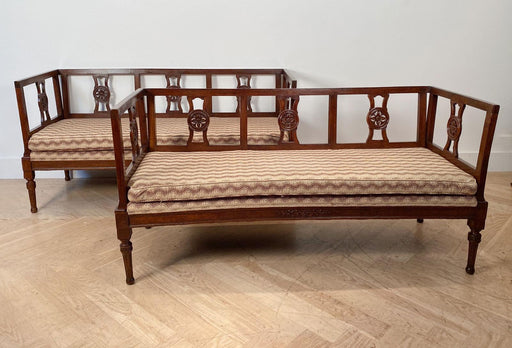
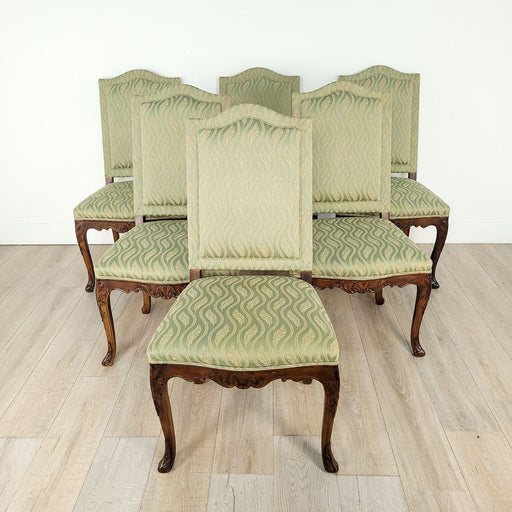

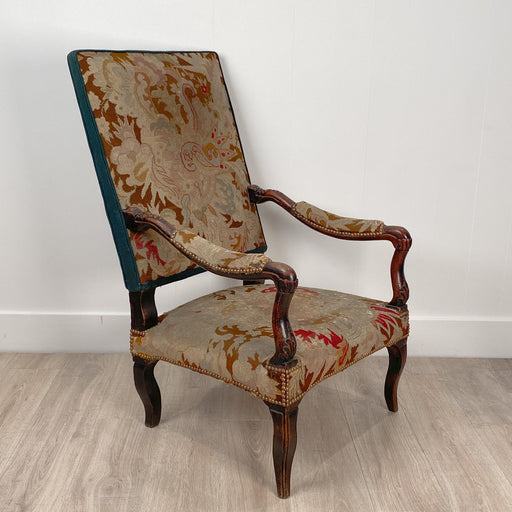
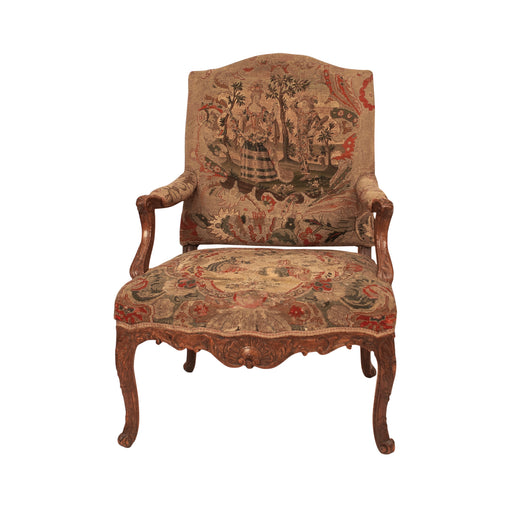

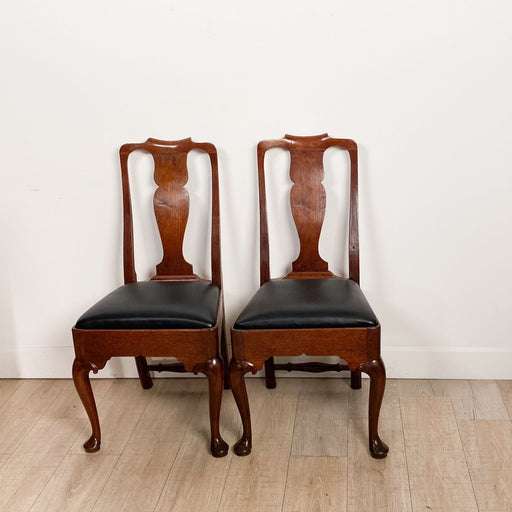
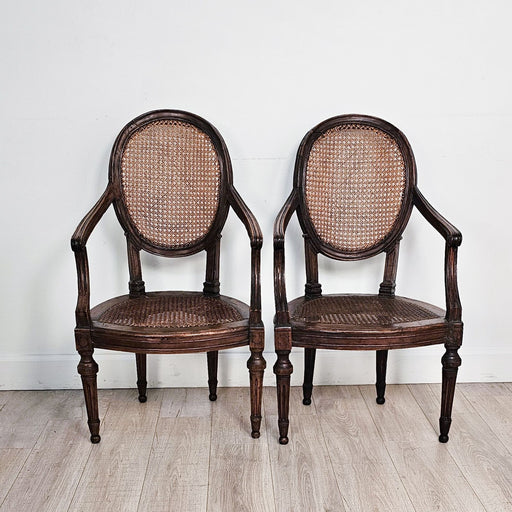


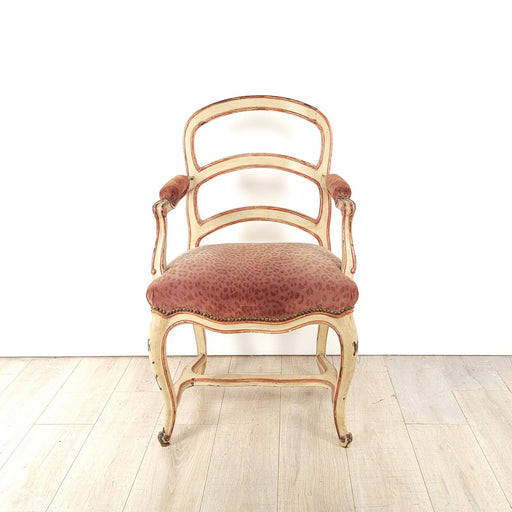
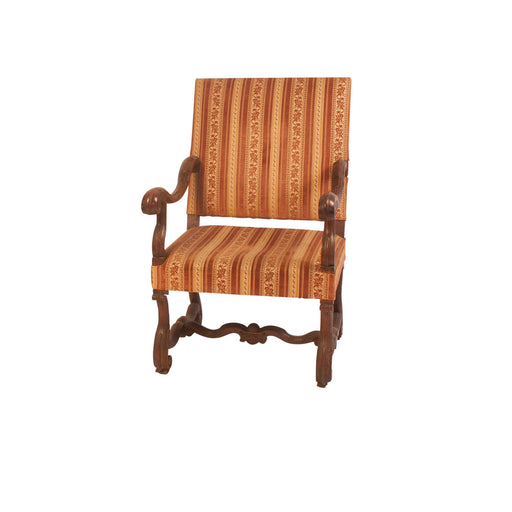
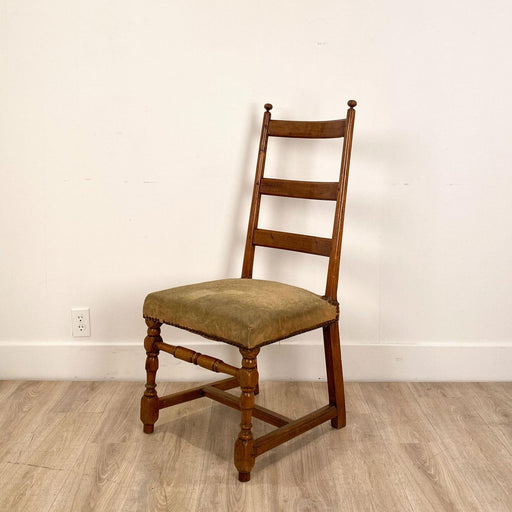
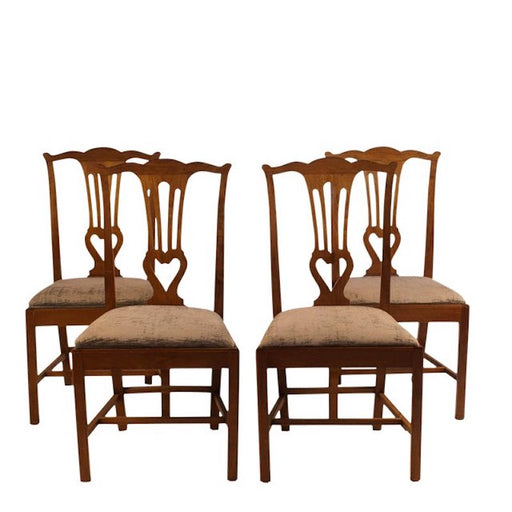

Eighteenth-century chairs occupy a pivotal moment in furniture history, bridging the ornate forms of the Baroque with the emerging balance and restraint of early neoclassicism. Our 18th Century Chairs collection highlights this evolution through hand-carved details, carefully preserved finishes and proportions designed for both comfort and elegance. These chairs were originally created for salons, dining rooms and private studies, often serving as visible symbols of taste and status.
In a contemporary interior, 18th century chairs bring a sense of depth that newer pieces simply cannot replicate. Their aged surfaces, original joinery and subtle wear all speak to centuries of use and care. Whether placed at the head of a dining table, flanking a console or anchoring a reading corner, these chairs create a visual focal point that immediately distinguishes the room. For complementary pieces that echo their scale and presence, many clients look to our broader furniture and tables collections.
The construction of 18th century chairs reflects the highest standards of traditional craftsmanship. Artisans relied on mortise-and-tenon joinery, hand tools and slow seasoning of hardwoods such as walnut, beech and oak. Seats might feature caning, leather or upholstery over hand-tied springs and natural stuffing. Even when restored, the goal is to preserve as much original material and surface as possible, maintaining the integrity and value of each piece.
Styles of 18th Century Chairs
Within the 18th century, design language varied significantly by region. In France, chairs from the Louis XV period are known for their fluid lines, cabriole legs and carved floral motifs; Louis XVI examples shift toward straighter legs, geometric ornament and neoclassical references. English Georgian chairs emphasize symmetry and restraint, with splat-back designs, shell carvings and finely proportioned rails. Italian chairs often present more expressive carving and bold silhouettes, reflecting local sculptural traditions.
These stylistic nuances allow 18th century chairs to integrate into a wide range of interiors. A single French fauteuil can soften a modern living room, while a set of Georgian side chairs can anchor a traditional dining space. For those building coherent period rooms, pieces from our living room and dining room & kitchen collections can be layered alongside these chairs to extend the historical narrative.
Materials also play an important role. Cane-seated chairs offer visual lightness and breathability, ideal for more relaxed environments. Fully upholstered examples add formality and comfort, while leather-upholstered 18th century chairs create a strong, masculine presence in libraries and studies. The variety of finishes, from polished surfaces to gently worn patina, ensures that each piece has its own personality.
Decorating With 18th Century Chairs
When incorporating 18th century chairs into a scheme, placement and scale are key. At the dining table, they can be mixed with simpler side chairs to highlight a pair of more elaborate end chairs. In entryways, a single carved chair beside a console and wall piece from our art collection creates a refined vignette. In bedrooms or studies, they can function as accent seating that adds formality without overwhelming the room.
Textiles offer another layer of customization. Some collectors prefer period-appropriate damasks and tapestries, while others choose neutral linens to let the frame take visual precedence. Reupholstery, when done carefully, can respect the original structure while updating the chair for contemporary use. For those designing smaller spaces, pairing an 18th century chair with thoughtfully scaled pieces from our small-space furniture collection can create intimate but sophisticated corners.
As a key subcategory within our broader Seating collection, 18th Century Chairs sit alongside later forms such as 19th and 20th century designs, benches and armchairs. Exploring the full Seating range provides context for how these earlier pieces relate to subsequent periods and helps you discover additional chairs that complement them within a cohesive interior scheme.